Water Jetting Codes of Practice
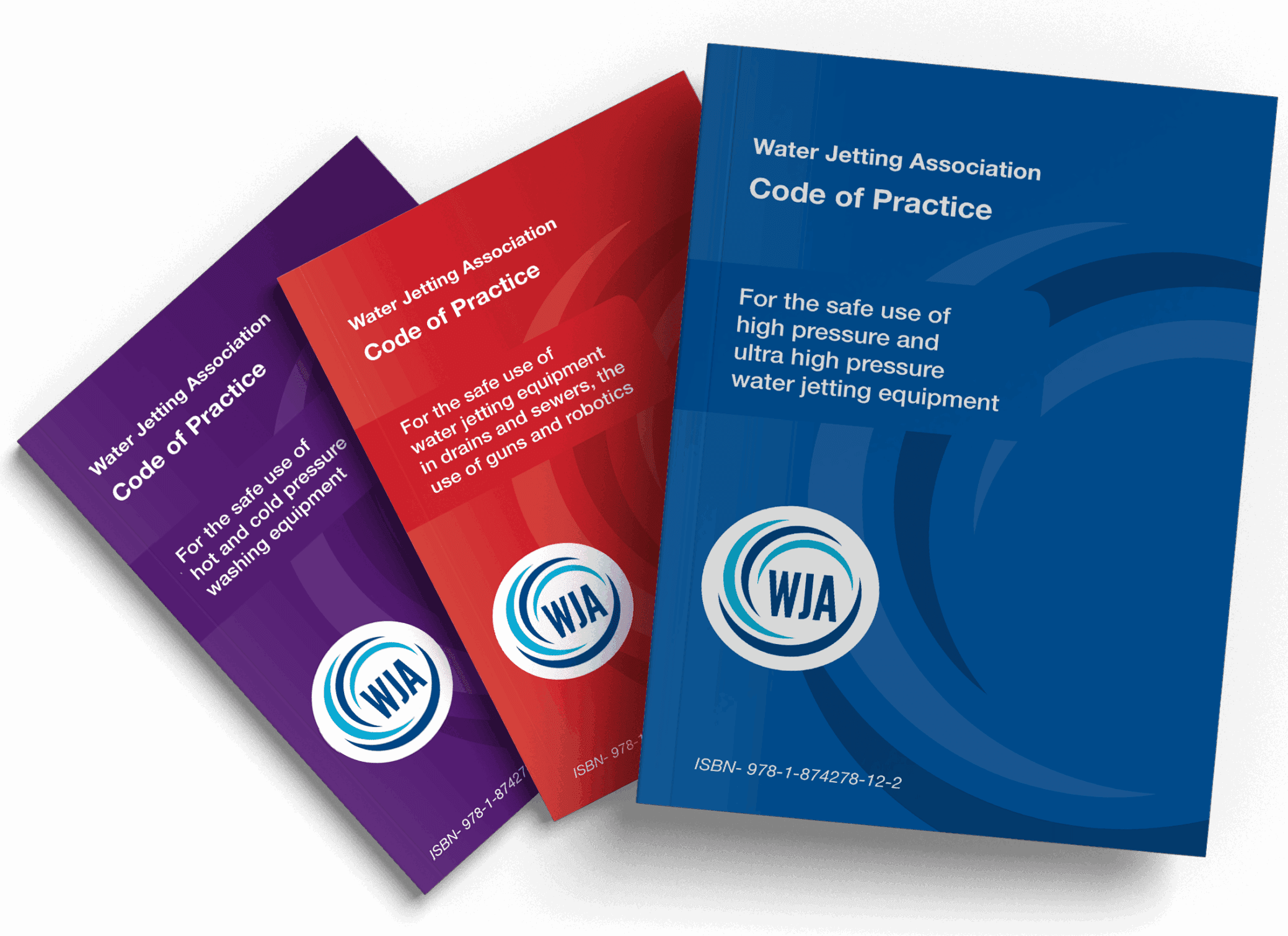
The WJA Codes of Practice
The Water Jetting Association is recognised as having developed codes of practice that define, arguably, the most detailed and advanced water jetting standards in the world.
These three codes of practice – the Blue Code, the Red Code and the Purple Code – underpin everything the WJA stands for, and directly inform the content of all our training courses.
The codes of practice are continuously reviewed and updated, taking account of advice from the Health and Safety Executive (HSE), which recognises them as defining water jetting standards in the industries they cover.
Companies and industrial agencies across the world have also adopted our codes of practice as their primary guide for the safe and effective use of water jetting.
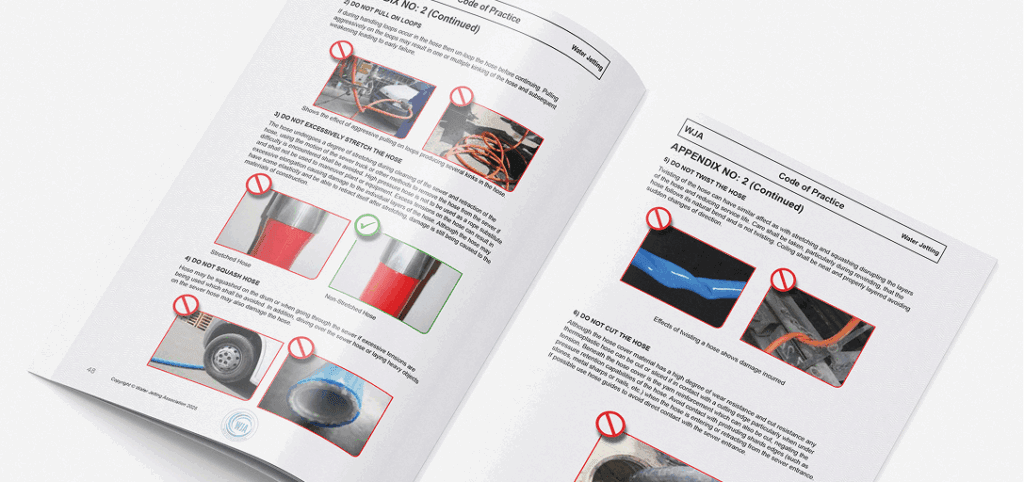
Topics covered by each code of practice include:
Personal protective equipment
The water jetting team – organisation and duties
Frost precautions
Water jetting units
Hose assemblies – inspection and testing
Control valves
Safe use of water jetting equipment
Care and maintenance of water jetting equipment
Water jetting accessories, including guns and nozzles
Health risks and response to injuries
Waste disposal
Drainage law
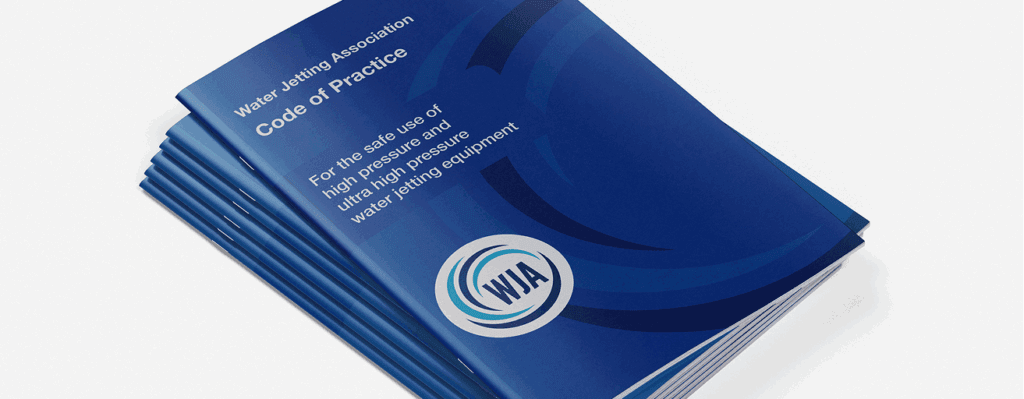
Blue Code of Practice
The Blue Code of Practice is for the safe use of high pressure and ultra-high pressure water jetting equipment. It covers water jetting activities at all pressures with the potential to cause harm.
Tasks the Blue Code covers include:
Industrial cleaning
Surface preparation
Tube and pipe cleaning
Tank and vessel cleaning
Hydrodemolition
Robotic water jetting
Industries the Blue Code is commonly applied in include:
Construction and structure maintenance
Oil and gas exploration and extraction
Petrochemicals processing
Pharmaceuticals processes
Marine maintenance
Manufacturing
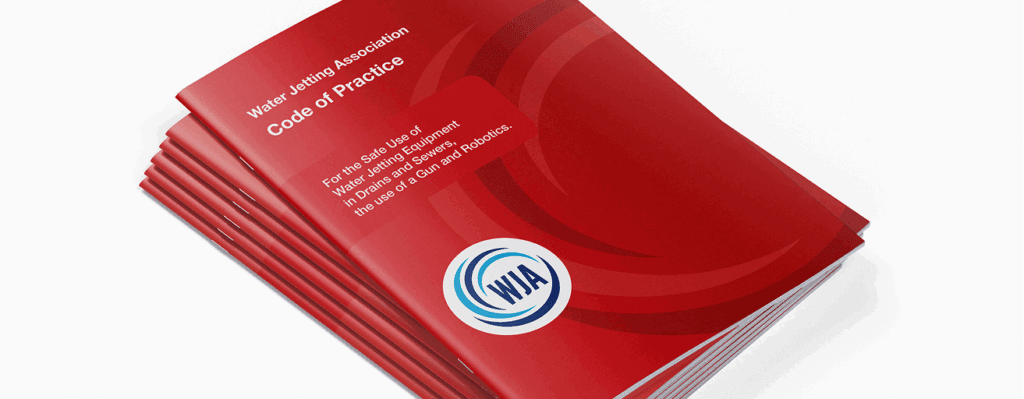
Red Code of Practice
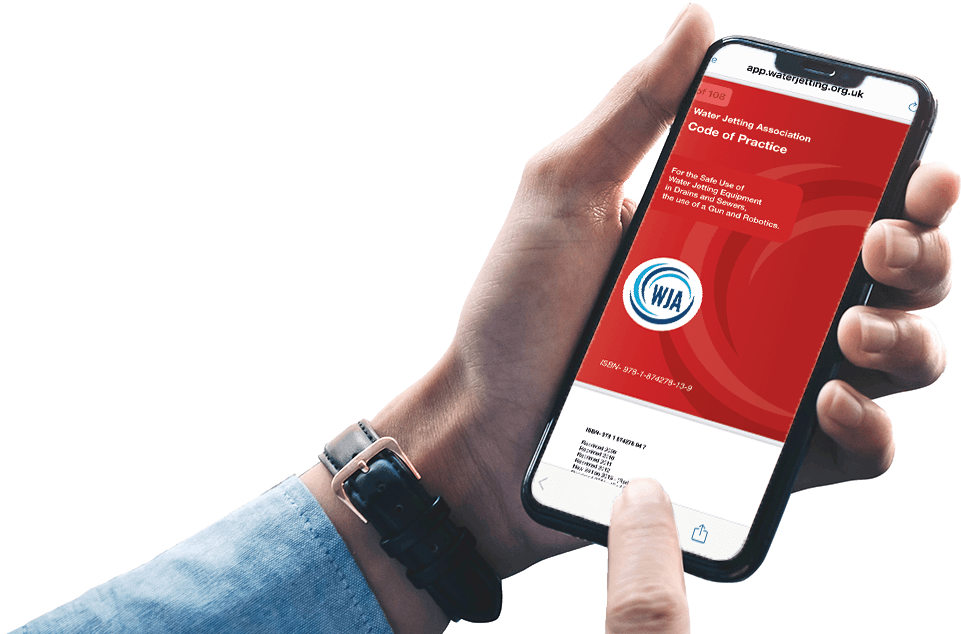
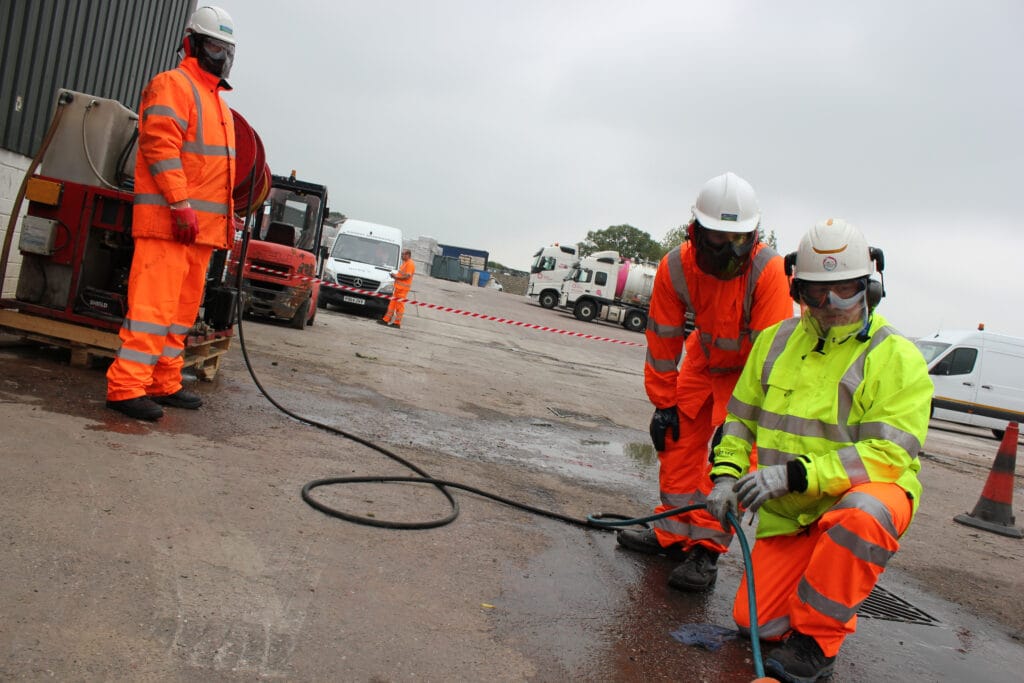
The Red Code of Practice is for the safe use of water jetting equipment in drains and sewers and surface preparation with a jetting gun at pressures up to 275 bar (4,000 psi) that an operative can comfortably control.
Tasks the Red Code covers include:
Drain and sewer unblocking
Drain and sewer cleaning
Chamber cleaning
Surface preparation
Culvert cleaning
Gully cleaning
Industries the Red Code is commonly applied in include:
Drainage industry
Wastewater network industry
Highways industry
Railway industry
Facilities maintenance industry
Manufacturing industry
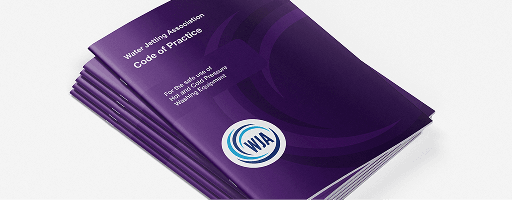
Purple Code of Practice
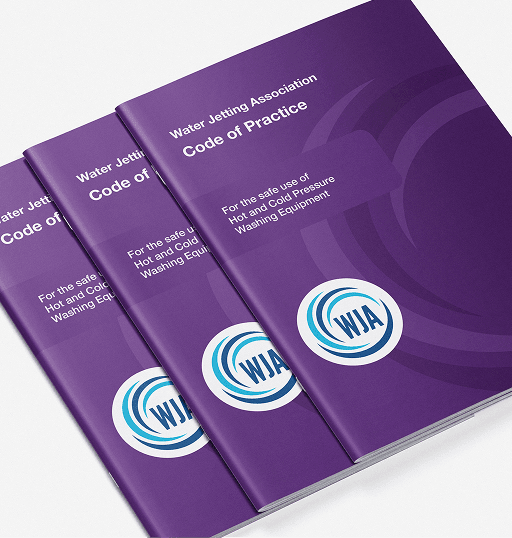
The Purple Code of Practice is for the safe use of pressure washers with pressures up to 207 bar (3,000 psi) and water flow up to 22 litres (5 imperial gallons per minute).
Tasks the Purple Code covers include:
Cold water pressure washing
Steam pressure washing
Hot water pressure washing
Chemical pressure washing
Rotary floor pressure washing
Lance pressure washing
Industries the Purple Code is commonly applied in include:
Commercial cleaning
Facilities maintenance
Farming / Agriculture
Manufacturing / Food industry
Construction industry
Car, van and lorry cleaning
Continuous Evolution of Water Jetting Best Practice
WJA codes of practice are practical, robust and detailed. They act as a clear blueprint for delivering safe, high quality water jetting services.
That is why they are trusted in the industries that rely on water jetting in all its forms to provide a measure against which water jetting activity is judged.
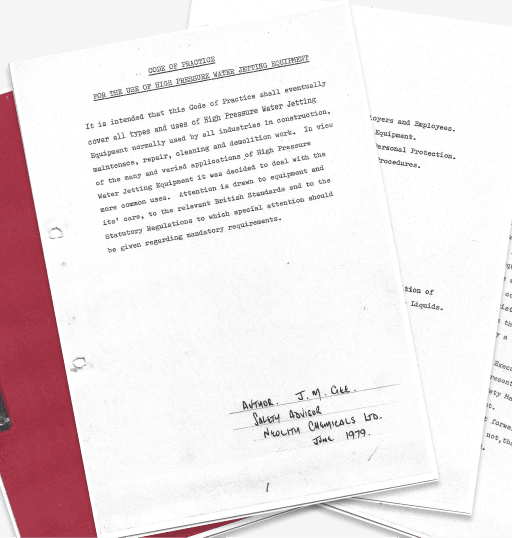
We published our first code of practice in 1982. After it was first given a red and then a green cover, we settled on a blue one, prompting it to be known as the Blue Code.
This was followed, in 2002, by a second code of practice covering water jetting in drains and sewers. With a red cover, it became known as the Red Code.
The Purple Code for pressure washing was launched in 2024.
Their strength, from the very beginning, has been the way they are continuously improved and updated, assisted by WJA members, in line with changing practices and technological advances.
For example, in 2023, the Red Code was updated to include guidance on
using a jetting gun for surface preparation.
Then, in 2025, it was updated again, to incorporate the use of robotic drain and sewer cleaning systems.
Join the WJA