WJA Member Spotlight: Rausch UK
Company name: Rausch UK
Company representative: Thomas Baxter
Job title: Managing Director
What services does Rausch deliver?
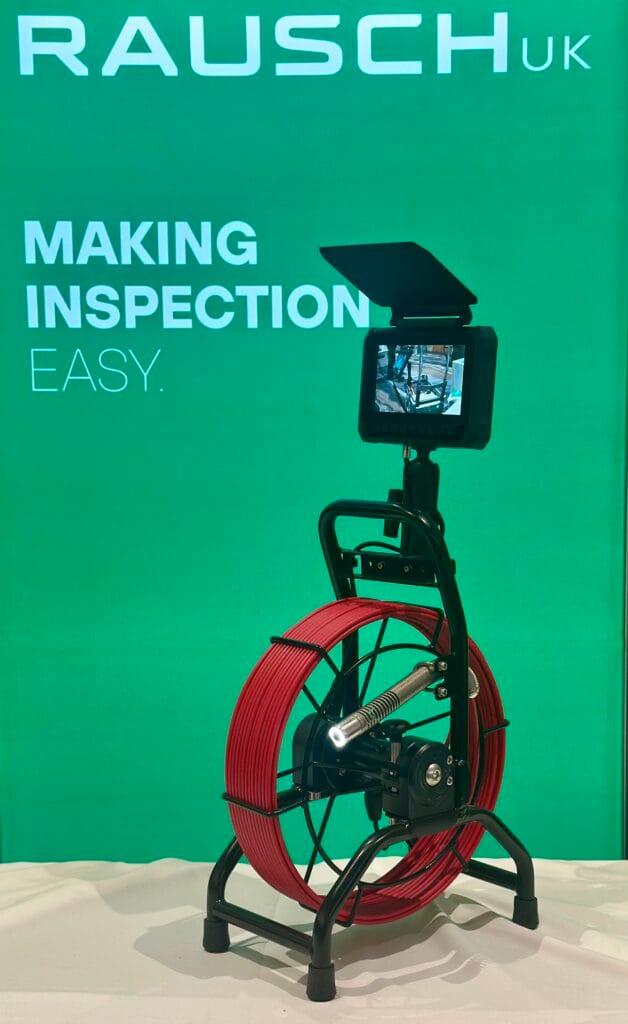
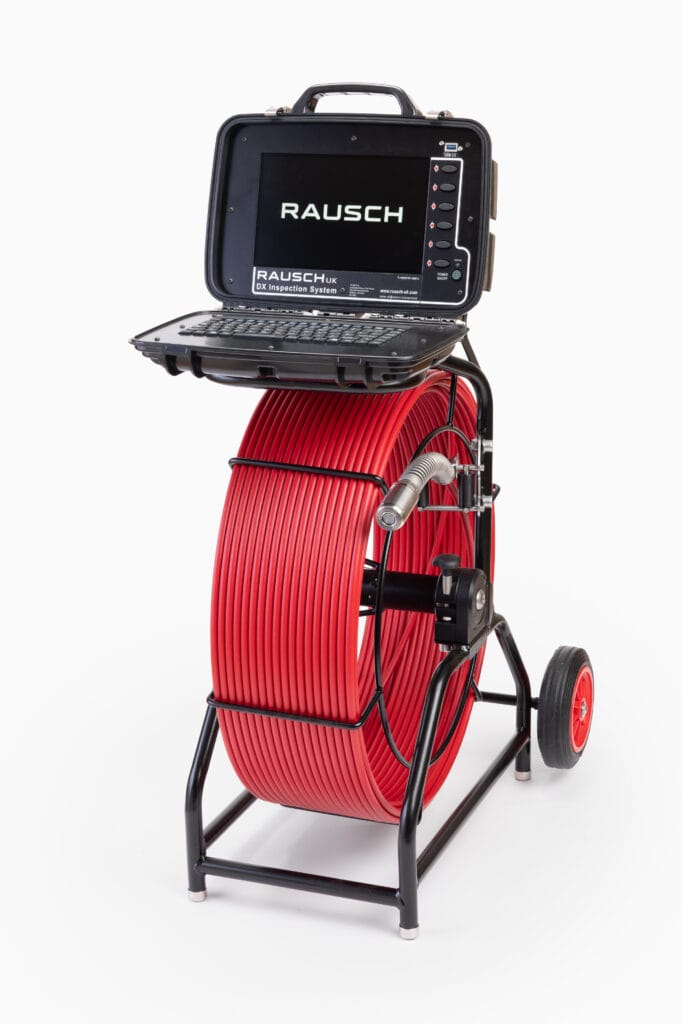
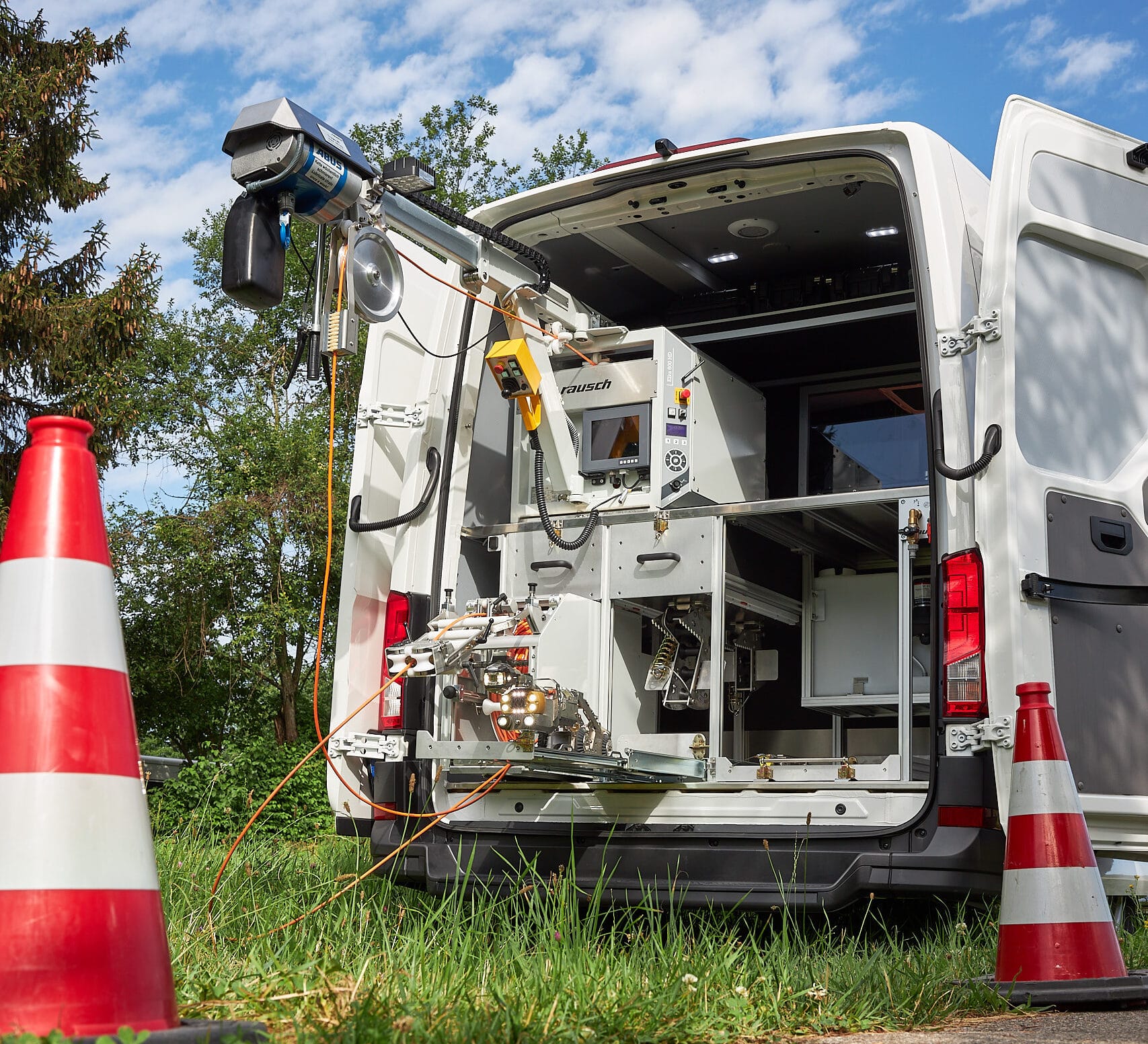
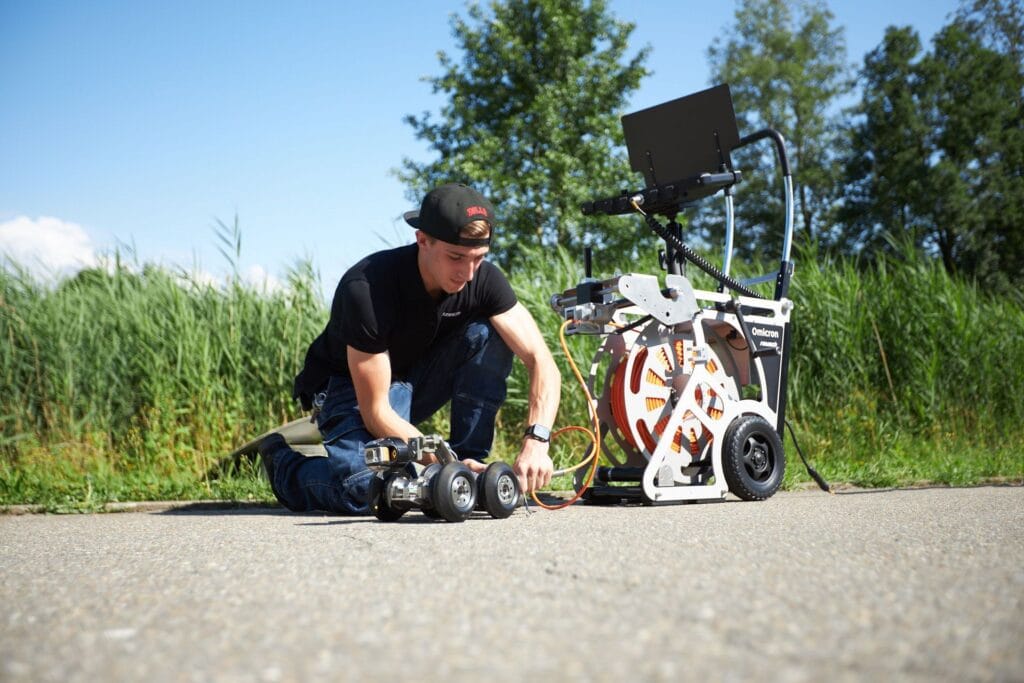
We supply inspection systems that support jetting work, including push rod cameras, crawler systems and fully equipped inspection vans.
In practice, that means helping contractors see exactly what is happening before and after jetting. That leads to better diagnosis, fewer repeat visits and clearer evidence for the customer.
A big part of what we do is demo-led. We spend a lot of time on site running systems live on real jobs so contractors can compare properly and see what performs in practice.
What new service developments should we look out for from you in the next year or so? Ones you can tell us about!
We are investing heavily in demo capability and complete inspection setups.
That includes expanding our demo fleet, including a full inspection van, and increasing the number of side-by-side demonstrations we run on site.
We are also bringing newer inspection technologies into the UK market, but always with a focus on practical value rather than features for the sake of it.
The aim is simple: make it easier for contractors to see the difference on a real job, not just read about it.
What are the three most important elements of service delivery for your customers and why?
Reliability and after-sales support
If a system fails on site, the job stops. That is one of the biggest costs to a contractor. Fast repairs, available spares and proper support help keep downtime to a minimum.
Speed and ease of use
Time is lost every time a system is slow to set up or awkward to use. The best equipment gets up and running quickly and doesn’t slow down the operator.
Clear, usable footage
It’s not about high definition for the sake of it. It’s about getting footage that allows an immediate decision and gives the customer a clear view of what’s there. If the footage is not usable, you often end up going back.
What have been the business highlights for Rausch over the last 12 months?
The biggest shift has been getting closer to site.
More demos, more time with contractors, and a better understanding of what really matters day to day – not what looks good on a spec sheet, but what works under pressure.
That is already shaping how we approach both the products we supply and the way we support customers.
Tell us something that you think anyone outside the industry will find amazing about your products and/or services or what they can achieve
Most people outside the drainage and wastewater industries don’t realise just how much time can be lost, cost incurred and service problems (like blocked pipes and sewer flooding) created simply because people cannot see clearly inside a pipe.
A good inspection system can prevent unnecessary excavation, avoid repeat visits and turn guesswork into a clear decision in minutes.
From the outside, that process can look simple, but the impact of not using effective survey technology on efficiency and cost is significant.
What’s the biggest change in technology or process you have witnessed in your service sector in recent years?
There has been a clear move towards more advanced and feature-heavy systems. But what we consistently see on site is that complexity does not always translate into better results.
The systems that deliver most value are the ones that are reliable, straightforward and built for real working conditions.
What do you think will be the biggest changes or challenges over the next 10 years?
Pressure on efficiency and margins will continue to increase, so contractors will need to do more in less time.
There will also be a growing expectation to prove the quality of work through better reporting and documentation.
At the same time, there will be more technology available than ever. The challenge will be choosing what genuinely improves performance rather than adding unnecessary complexity and cost.
What are you most proud of about the way your team supports your customers?
We stay close to the job.
A lot of our support happens in real working conditions, not from behind a desk.
That means when we recommend something, it is based on what we have seen work in practice, not theory.
Why did you decide to join the WJA?
The WJA is a well-established organisation that brings structure and standards to the industry. It connects contractors, suppliers and best practice, which is important in helping raise standards across the sector.
What advantages do you expect to get from being a member of the WJA?
We’re looking forward to being able to develop stronger connections with contractors. This will help us better understand industry challenges and continue to develop the best solutions.
We also want the opportunity to contribute to improving standards. It creates more opportunities to engage with the right people in a practical and relevant way.
What do you think are the WJA’s key achievements?
Improving safety, driving standards and creating a recognised framework for the industry. That consistency is important, particularly in a sector where the quality of work can vary.
Why is it important to have a member organisation for the water jetting industry?
It brings structure, accountability and credibility.
Without it, standards become inconsistent and it becomes harder for customers to differentiate between providers.
A strong member organisation helps raise the baseline across the whole industry.
What key issues do you think the WJA should focus on over the next three years, and why?
Maintaining and improving standards will remain critical.
Supporting training and skills development will also be important as the industry evolves.
There should also be a focus on helping the industry adopt new technology in a way that improves performance without overcomplicating day-to-day work.
If Rausch were an animal, what kind would it be?
A beaver – practical, hard-working and focused on building things properly.
What would be a final point to make?
If you are reviewing your inspection set-up this year, it is always worth seeing systems side-by-side on a live job. That is the best way to understand what will actually work for your team, your sites and your customers.
To arrange a live demonstration, contact Rausch UK on 01761 404870 or email sales-uk@rausch.international.